Tantric Mind, Tantric Body
An Introduction to the Philosophy and Practice of the Tantras
with Dr. Kaustubh Das
· Scholar · Practitioner · Initiate
Tantric Studies
Presents:
Tantra is one of the most widely misrepresented and least understood dimensions of Indian contemplative traditions.
Stripped of its philosophical context, its practices have been absorbed into contemporary yoga culture as technique without understanding — or sensationalized beyond recognition in popular media.
Meanwhile, sincere practitioners of yoga find themselves making physical progress yet unable to shake the feeling that something profound and essential remains beyond their grasp. What modern yoga misses out on is the deep way that the practices of hatha yoga are derived from the philosophy and practice of tantric yoga.
This course exists to address that gap. Drawing on the textual corpus of Kashmir Śaivism and grounded in living initiatory tradition, it offers a clear, rigorous, and experientially grounded introduction to what tantra actually is.
The Course
A clear, rigorous, and experientially grounded introduction — rooted in scripture, lived practice, and initiatory lineage.
Drawing on the textual corpus of Kashmir Śaivism — the Śiva Sūtras, Spanda Kārikā, Īśvarapratyabhijñā Kārikā, Vijñānabhairava Tantra, the Tantrāloka of Abhinavagupta, and many others — the course offers a complete philosophical map of the Tantric vision of consciousness and the body.
The approach is non-sectarian. The philosophical framework is drawn primarily from the nondual Kashmir Śaiva tradition, but the understanding developed here is designed to deepen practice in any lineage or tradition.
The course is not for those looking for quick results. It is for those willing to look deeper.
THE PHILOSOPHICAL FOUNDATION
Ś
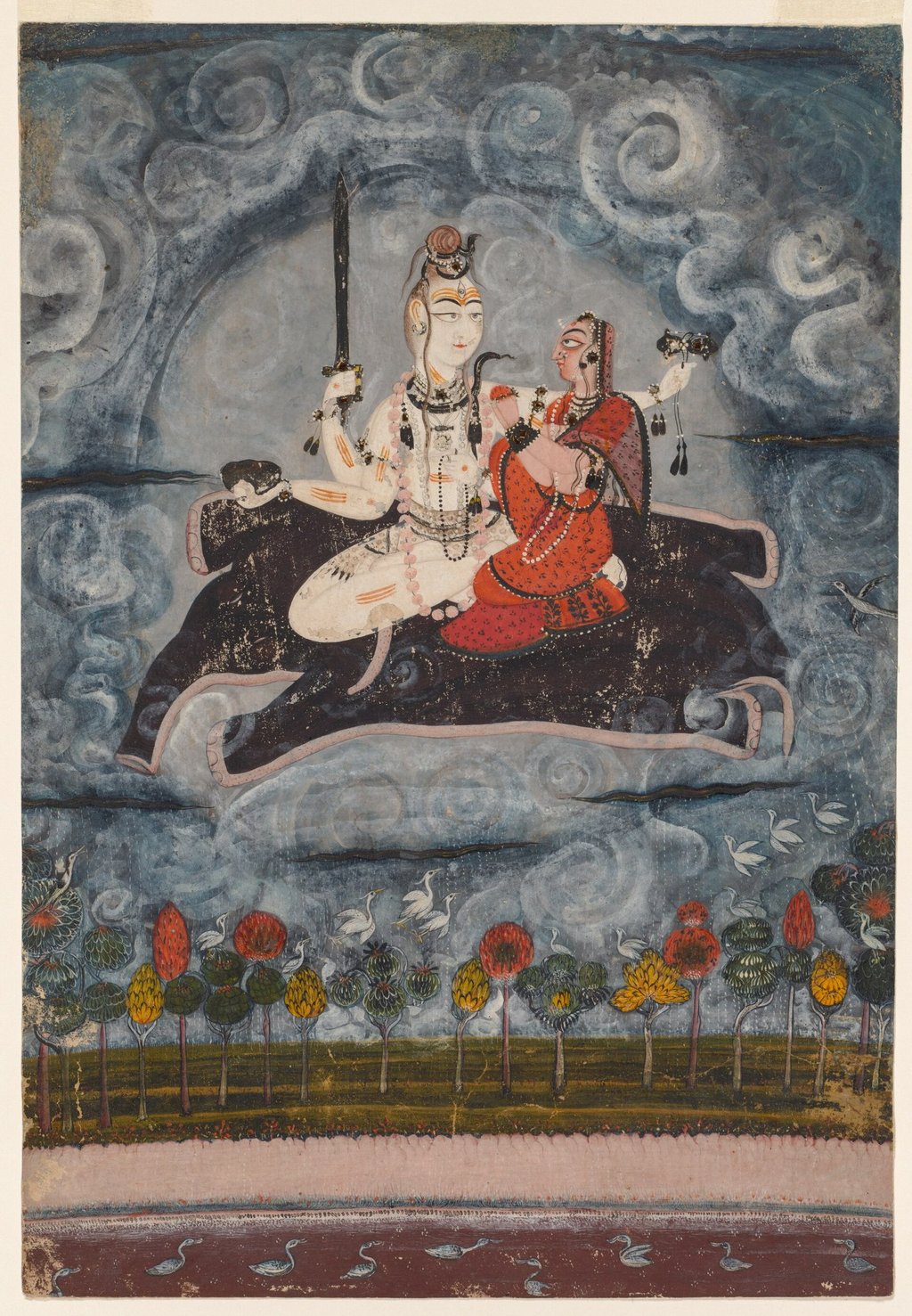
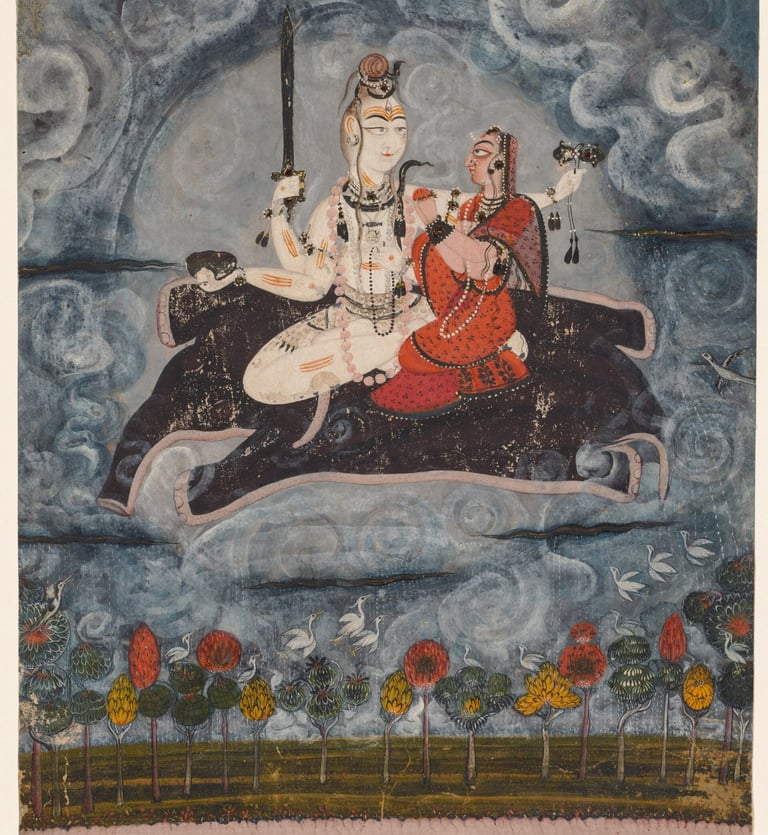
Śiva is not a god outside of us
Śiva is our innate consciousness.
Worship is not the offering of flowers and such,
Worship is awareness.
Liberation is not only achieved through long periods of practice.
But also through an instantaneous recognition of who we always were.
Who This Course Is For
This course is for you if —
You are a practitioner of yoga or meditation who senses your practice is pointing toward something the studio doesn't quite reach.
You are willing to sit with confusion, to resist the need for everything to make sense at once, and to trust that understanding matures alongside practice.
No prior knowledge of Sanskrit, philosophy, or Tantric traditions is required. A basic familiarity with Indian philosophy would help but is not essential.
What is essential —
Perseverance is essential to learn and practice tantra. Tantra's view of reality is radically different from our ordinary perceived reality, and this is not a subject that yields itself to immediate comprehension.
Those attending individual sessions are welcome — particularly those with some familiarity with the tradition who wish to join the modules that speak to where they are in practice.
This course is not for those looking for quick results. It is for those willing to look deeper.
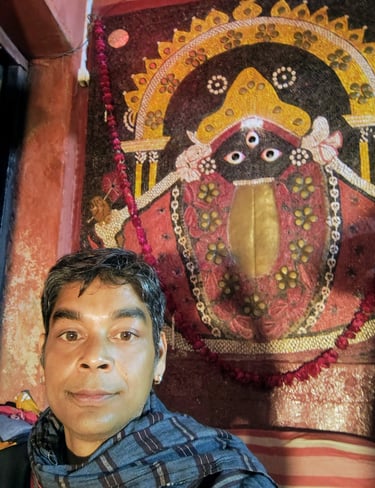
Dr. Kaustubh Das
About
Dr. Kaustubh Das is a scholar, practitioner, and initiate whose work sits at the intersection of rigorous academic study and living traditional practice.
He holds a PhD in Yoga and Tantric Studies. His doctoral research, Decolonising Yoga and Tantra, engaged critically with the transmission of these traditions into contemporary contexts — examining what is lost when practice is severed from its philosophical roots and initiatory lineage.
He has spent twenty years in direct encounter with sādhus, yogis, and teachers across India, and has practiced Iyengar yoga for sixteen years.
Lineage & Initiation
Dr. Das is an initiate of the Anuttara Trika — the tradition of Abhinavagupta — through his teacher Mark Dyczkowski (1951–2025), one of the foremost scholars and practitioners of Kashmir Śaivism of his generation, and a direct disciple of Swami Lakshmanjoo of Kashmir.
Dyczkowski's monumental works — the eleven-volume Tantrāloka with Jayaratha's commentary and the twelve-volume Manthanabhairava Tantra — remain among the most significant contributions to Kashmir Śaiva scholarship in the modern period.
Dr. Das is also an initiate of the Sahajiyā Vaiṣṇava tradition of Bengal.
By the grace of his Gurus, he brings both the rigour of a scholar and the understanding of an initiate — for whom this tradition is not an object of study but a living practice.